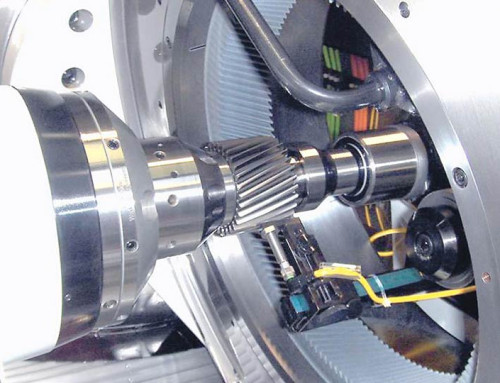
Precision Mold Components are the general terms for the pieces of mold parts and components. These precision mold parts are used in stamping, punching tools and dies, plastic injection molds, die-casting molds, automatic system machines, or checking fixtures.
Precision mold parts include many kinds of parts and components. According to different kinds of mold types, there are different sayings.
1. Stamping Die Components.
Stamping dies components include punches and dies, die inserts, stripper inserts, stripe plates, guiding plates, positioning plates, and main disc plates. There are also some other small accessory spare parts, for example, springs, ejector pins, and sleeves and screws, etc.
2. Plastic Injection Mold Components
Plastic Injection Precision Mold parts include core and cavity set, ejector pins and ejector sleeves, guide pins and guide bushings, guide plates and sliding plates, mold inserts, mold locks, upper mold base, and lower mold base, etc.
3. Die-Casting Mold Components
Die-casting precision mold components also include mold core and mold cavity, upper and lower mold bases, and some pneumatic components, like cylinders, control valves, air pipes, etc.
4. Automation System Components
Automation System Components are the kinds of mechanical components used in an automation machine system. These precision components usually have lower precision requirements, but they are essential components for assembling an automation machine.
Automatic machine components don’t belong to mold components, but these automation machines are usually used in some big mold systems, so they can be regarded as auxiliary components for molds and tools.
5. Checking Fixture Components
Checking fixture components also do not belong to the mold components, but these checking fixtures or gauging fixtures are also important auxiliary parts in a molding system. So, fixture components can also be regarded as auxiliary components for molds and tools.
6 Other Precision Components
There are some other precision components specifically used for some specific industries. For example, the aerospace industry, the medical industry, the defense industry, or the auto industry. These precision components are not mold components, but they are also essential for some specific industries.


According to the application, there are precision mold parts for the auto car industry; precision mold punches for electronics mobile, and computer industries; precision mold components for the medical industry; precision elements for terminal assembly; precision components for automatic system machines and fixtures, etc.
There are some precision mold components that are used in very specific industries. For example, the LED industry, Unmanned Aerial Vehicle(Drone) Industry, and Aerospace Industry etc.

The Mold Components can also be called mold inserts. There are standard mold parts and special-shaped mold parts (or called custom mold parts). They are embedded in the mold, playing the role of fixing the space between the template and filling the template. The mold inserts can be square, round, sheet-shaped, and special-shaped. Their precision requirements are usually extremely high. Generally, there is no finished or standard product; Each mold component and insert needs to be customized according to the needs of the mold.
Most of them are used as tiny precision parts inserted into a big mold. Precision mold parts have the function of exhaust, easy processing, easy replacement, and easy control of important sizes.
Let’s see some of the commonly used precision mold parts in different kinds of molds below:
1 Hardware stamping die components & punching components:
| Punches and dies | type straight punch, A-type secondary punch, edge forming punch, K-type budding punch, B-type guide punch, A-type sub-female punch; high-speed steel round bar, ultrafine particle tungsten steel round bar, powder high-speed steel round bar. |
|---|---|
| Ejector pin and ejector sleeves | float pin, dowel pin (fixed pin), Eq-heigh sleeve. |
| Guide pin (guide post) and guide bushing | precision grade chrome guide post, precision grade copper titanium alloy guide bushing, self-lubricating guide bushings, inner guide post assembly, sliding guide post assembly for mold base, ball guide post assembly for mold base, detachable ball guide post assembly, outer guide post assembly, steel ball bushing (cage), independent guide post. |
| Screws | hexagonal screw, contour screw, stop screws,etc. |
2 Plastic Injection Precision Mold Components
| Ejector Pins and Sleeves | Ejector Pins (Thimble), Sleeves (barrel), straight Pin, shoulder ejector Pins, ejector blade, plastic mold with finished pin, pen core, pen sleeve, angle pin, pulling pin, and return pin. |
|---|---|
| Guide Pins and Bushings | Plastic mold guide pin, pilot pin, plastic mold guide bushing, straight bushing, middle column bushing, small nozzle standard special injection bushing, large nozzle standard special injection bushing. |
| Core and Cavities | Mold Cores, Mold Cavities |
| Other Parts | Square type assist, stereotactic block group guide position assist, A B C nozzle, fixing ring A B type, tie rod, small tie rod C type, standard type mechanical switch, square type assist, mold date indicator device, resin switch, water stop, spring, garbage nail, etc. |
3 Automation System Precision Components
Guide shaft supports, fixing rings, linear bearings, ball guide shafts, oil-free bushings, linear guides, ball screw support assemblies, trapezoidal lead screws, sliding lead screws, rotating shafts, bearing housings and bearings, cantilever pins, hinge pins, step screws for fulcrums, couplings and motors, synchronous pulleys and idlers, keyless bushings, pulleys, idlers, conveyor parts, gears, conveyors, bushings for locating pins and fixtures, positioning parts, probes, struts, supports, pillar fixing clamps, toggle clamps, and washers Shaft rings, gaskets, screws, washers, nuts, handles, handwheels, knobs, handles, hinges, door parts, angles, sections, corners, stiffeners.
Although these precision mold parts are small and tiny, they are essential. And because of ultra-high precision dimension requirements, they are not easy to make. This is why the ultra-high-precision mold components machining industry exists.